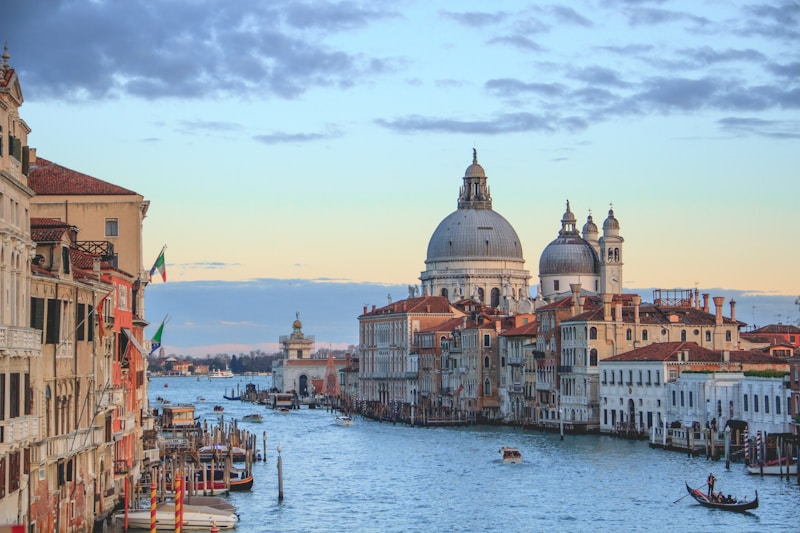
The Venice Biennale has opened to critical acclaim with a powerful international exhibition that places migration and belonging at the center of contemporary artistic discourse. This year's exhibition, curated by a team of international curators, features works from over 200 artists representing more than 80 countries, creating a diverse tapestry of perspectives on the human experience of displacement and the construction of identity across cultural boundaries.
The exhibition occupies the historic Arsenale and Central Pavilion in the Giardini, as well as numerous national pavilions scattered throughout the city. The works range from intimate personal narratives to large-scale installations that engage directly with the architecture of the exhibition spaces. Visitors are challenged to confront the experiences of migrants and refugees while also reflecting on their own assumptions about national identity and belonging.
The theme of transnational belonging is explored through works that examine the lives of individuals and communities who exist between cultures, maintaining connections to multiple homelands while fully belonging to none. These works challenge the nation-state as the primary framework for understanding identity and suggest more fluid forms of belonging that transcend geographic boundaries. The exhibition includes a significant number of works by artists who themselves have migration backgrounds, bringing personal experience to bear on themes that are too often treated abstractly.
The national pavilions offer contrasting perspectives on the exhibition's themes, with some countries directly engaging the migration debate while others present works that speak to related concerns about identity, memory, and place. The German Pavilion features an installation exploring the legacy of colonial migration to Germany, while the French Pavilion presents works examining the colonial dimensions of French national identity. These national presentations have generated significant discussion about whose stories are told and whose remain invisible in official cultural narratives.
The artistic quality of the exhibition has been widely praised, with critics noting the sophistication and variety of the works on display. The curators have successfully balanced established international artists with emerging voices, creating a dynamic exhibition that offers new discoveries at every turn. The use of new media and technologies has been notable, with several works incorporating artificial intelligence, virtual reality, and interactive elements that engage visitors in novel ways.
The political dimensions of the exhibition's themes have generated controversy in some quarters, with critics arguing that the focus on migration reflects the ideological biases of the curatorial team. However, supporters have defended the thematic choices as a necessary response to the central importance of migration in contemporary society. The exhibition does not pretend to neutrality, instead offering a clearly articulated perspective that invites dialogue rather than false equivalence.
The economic impact of the Venice Biennale on the city has been significant, with the exhibition attracting hundreds of thousands of visitors who support local hotels, restaurants, and businesses. The Biennale has faced criticism for its role in driving up housing costs in Venice, where the local population has been declining for decades. The relationship between the art world and the host city raises questions about the social sustainability of major cultural events.
The exhibition will remain open until November, providing an extended opportunity for visitors to engage with the works on display. The Biennale has also organized an extensive program of public events, including artist talks, film screenings, and educational activities that extend the exhibition's themes into the broader community. This programming reflects the curatorial team's commitment to making the exhibition relevant not just to art world insiders but to the wider public.