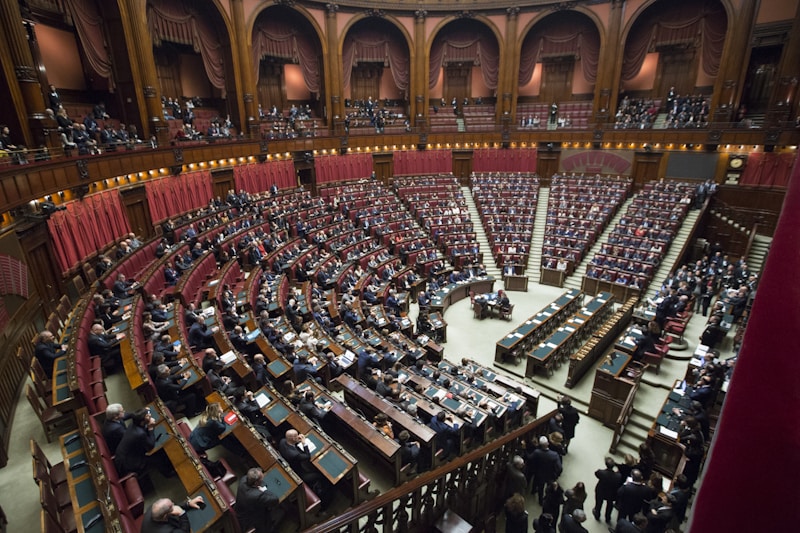
In a historic display of bipartisan cooperation, the United States Senate voted 69-30 to pass a sweeping $1.2 trillion infrastructure bill on Thursday, ending months of intense negotiations that had stalled previous attempts at comprehensive infrastructure reform. The legislation, which now moves to the House of Representatives for consideration, represents the largest investment in American infrastructure in more than a decade and is expected to create millions of jobs while modernizing the nation's aging transportation networks, expanding broadband access to rural communities, and accelerating the transition to clean energy.
The bill, officially titled the Infrastructure Investment and Jobs Act, includes provisions for $550 billion in new federal spending over five years, with significant allocations for transportation infrastructure, utility upgrades, and technological advancement. Approximately $110 billion will go toward roads and bridges, addressing the critical maintenance backlog that has accumulated over decades of underinvestment. Another $66 billion will be directed to passenger and freight rail improvements, while $55 billion will fund water infrastructure upgrades including the replacement of lead pipes that have contaminated drinking water in many American cities.
President Biden hailed the passage of the bill as a major achievement, stating that it would rebuild America's backbone and ensure the country remains competitive in the 21st century global economy. The President emphasized that the investments would be fully paid for through a combination of unspent COVID-19 relief funds, target unemployment benefits, and new cryptocurrency transaction reporting requirements, without raising taxes on Americans earning less than $400,000 per year.
Supporters of the legislation argue that the infrastructure package will address long-standing deficiencies in American infrastructure that have dragged down economic productivity and quality of life. The American Society of Civil Engineers had previously given the nation's infrastructure a grade of C-minus, noting that thousands of bridges were in poor condition and that transportation delays cost the economy billions of dollars annually in wasted fuel and lost productivity.
Critics of the bill, however, have raised concerns about the deficit impact and the appropriateness of certain spending priorities. Some conservative lawmakers argued that the legislation represented too much spending at a time of rising inflation, while progressive Democrats expressed disappointment that the bill did not go far enough in addressing climate change or expanding social programs. Despite these criticisms, the bill garnered support from a broad coalition of lawmakers representing both parties.
The broadband provisions in the bill are particularly significant, allocating $65 billion to expand high-speed internet access to rural areas where millions of Americans still lack reliable connectivity. This investment is expected to help close the digital divide that has become increasingly apparent during the COVID-19 pandemic, when remote work and online education highlighted the necessity of reliable internet access. The legislation also includes funding for electric vehicle charging stations, which is intended to accelerate the adoption of zero-emission transportation.
Economists have generally welcomed the infrastructure investment, with many noting that infrastructure spending historically has provided a significant boost to economic growth. The Congressional Budget Office estimated that the bill would increase the federal deficit by approximately $256 billion over ten years, but supporters argue that the long-term economic benefits would far outweigh these costs through increased productivity, reduced maintenance costs, and improved safety.
The bill now awaits consideration in the House of Representatives, where its fate remains uncertain. House Speaker has indicated that the chamber will take up the legislation following its August recess, though progressive members have threatened to block it until broader social spending priorities are addressed. The final shape of the infrastructure package may be modified during House deliberations, potentially leading to additional negotiations with the Senate before a final version can be sent to the President for his signature.